Treating alcoholism isn’t simple or easy, but new research suggests psychedelic therapy can offer hope and promising treatment alternatives for sufferers of this debilitating disease.
Ayahuasca
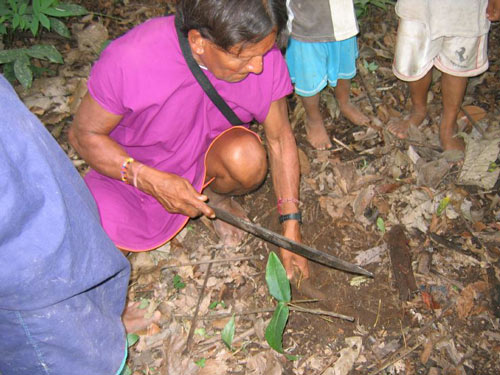
According to the indigenous people of the Amazon, the discovery of ayahuasca, a ceremonial brew used for centuries for physical, mental, and spiritual well-being, came from communication with the plants themselves. Wherever it came from, ayahuasca has gained an international reputation for being a powerful catalyst for personal growth, and a subject of interest and study in modern Western science.
Ayahuasca Shows Promise
in Treating Addiction and PTSD
Taking ayahuasca in a proper setting mimics the therapeutic benefits of psychotherapy, including:
A Natural Healer With Incredible Potential
A Powerful Catalyst
According to the indigenous people of the Amazon, the discovery of ayahuasca, a ceremonial brew used for centuries for physical, mental, and spiritual well-being, came from communication with the plants themselves. Wherever it came from, ayahuasca has gained an international reputation for being a powerful catalyst for personal growth, and a subject of interest and study in modern Western science.
Purging and Renewal: A Journey from Darkness into Light
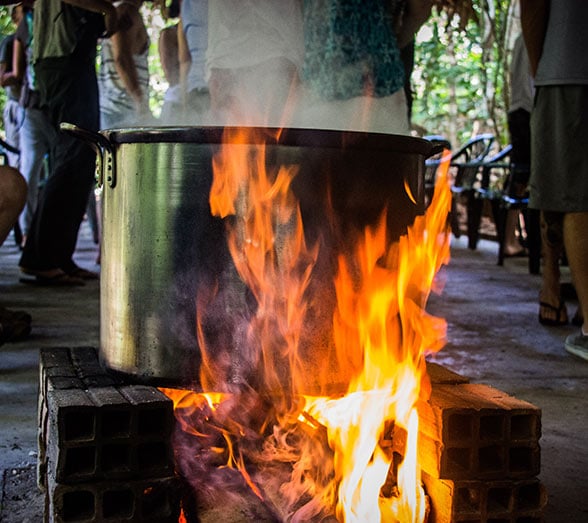
One of the signature effects of ingesting ayahuasca is what is known as “la purga” (the purge). This doesn’t happen 100% of the time, but often people will experience a period of purging after drinking the brew. While purging can be intimidating for those considering ayahuasca therapy, it is understood in traditional wisdom as a very important step in the cleansing and rebirth process that ayahuasca provides. Drug addicts and veterans who suffer from PTSD have reported that the purging process represents the death of the broken self. They report that when they get to the other side, when they have relieved and released the trauma and addictions that they have held inside, they are born anew, with an entirely new outlook on life. With the release of the old comes a choice for how one decides to live in the future, and the destructive ties to past habits and events are dissolved and released through the ayahuasca journey.
Holistic Healing
Interestingly, studies have also shown that “the purge” can be physiologically healing as well, by clearing the body of worms and parasites both through vomiting and through the parasite-killing alkaloids present in the ayahuasca leaves. In this way, the physical benefits reflect the psychological ones. Ayahuasca compels the drinker to face their darkness, expel it for good, and see the world and the self with new eyes.
New Studies Give Credence to Tradition
Western science is beginning to take note of and study the beneficial effects of ayahuasca in both traditional and clinical settings. A 2013 study by Canadian researchers linked the use of ayahuasca to a reduction in addictive tendencies to alcohol, tobacco, and cocaine[1.Ayahuasca-Assisted Therapy for Addiction: Results from a Preliminary Observational Study in Canada. Current Drug Abuse Reviews, 2013. https://www.maps.org/research-archive/ayahuasca/Thomas_et_al_CDAR.pdf]. The study called for more rigorous research into ayahuasca therapy as a means of assisting with substance abuse recovery.
Other reported lasting effects of ayahuasca include a greater sense of self-empowerment, increased mindfulness, and an overall sense of well-being. These effects of ayahuasca therapy are beneficial to everyone who chooses to take an ayahuasca journey, and are especially helpful for addicts or trauma sufferers taking steps on a new road to recovery.

Sign up to recieve our newsletters
Treating alcoholism isn’t simple or easy, but new research suggests psychedelic therapy can offer hope and promising treatment alternatives for sufferers of this debilitating disease.
A new type of addiction therapy is emerging that harnesses the life-transforming power of psychedelics to help people overcome their destructive addictions. The psychedelic substance at the forefront of this new style of treatment is ibogaine, a chemical compound derived from the African shrub Tabernanthe iboga.
Few psychedelics have had as wild a history as lysergic acid diethylamide, also known as LSD or acid. However you feel about this powerful synthetic psychedelic substance, LSD has played a major role in shaping our culture and perspective on psychedelics in America.
Post Traumatic Stress Disorder, or PTSD, is an all-too-common issue with veterans who return home from war. The U.S. Department of Veterans Affairs estimates that between 10% and 20% of the young men and women who return from Iraq and Afghanistan are affected by this mental health condition that can cause sleeplessness, depression, jumpiness, anxiety, and, in the most severe cases, suicidalness.
When depression hits, people become a shadow of their highest potential, and when depression becomes chronic, people often turn to destructive coping behaviors and prescription drugs of dubious effectiveness that have dangers all their own. Thankfully, new research is showing that psychedelic therapy using substances like LSD and psilocybin mushrooms can be enormously helpful to people with mood disorders like depression, with many patients reporting lifelong positive changes to their outlook on life.
The African forest shrub Tabernanthe iboga, more commonly known as iboga, doesn’t look like a remarkable plant. In fact, if you didn’t know what to look for, you would probably walk right by it amidst the beautiful rainforest scenery. But the iboga plant is no ordinary shrub; its bark contains a naturally occurring psychoactive alkaloid called ibogaine that stimulates the central nervous system when consumed.
Images licensed via Creative Commons. Photographers:
https://www.flickr.com/people/brindle95/
https://www.flickr.com/people/adavey/